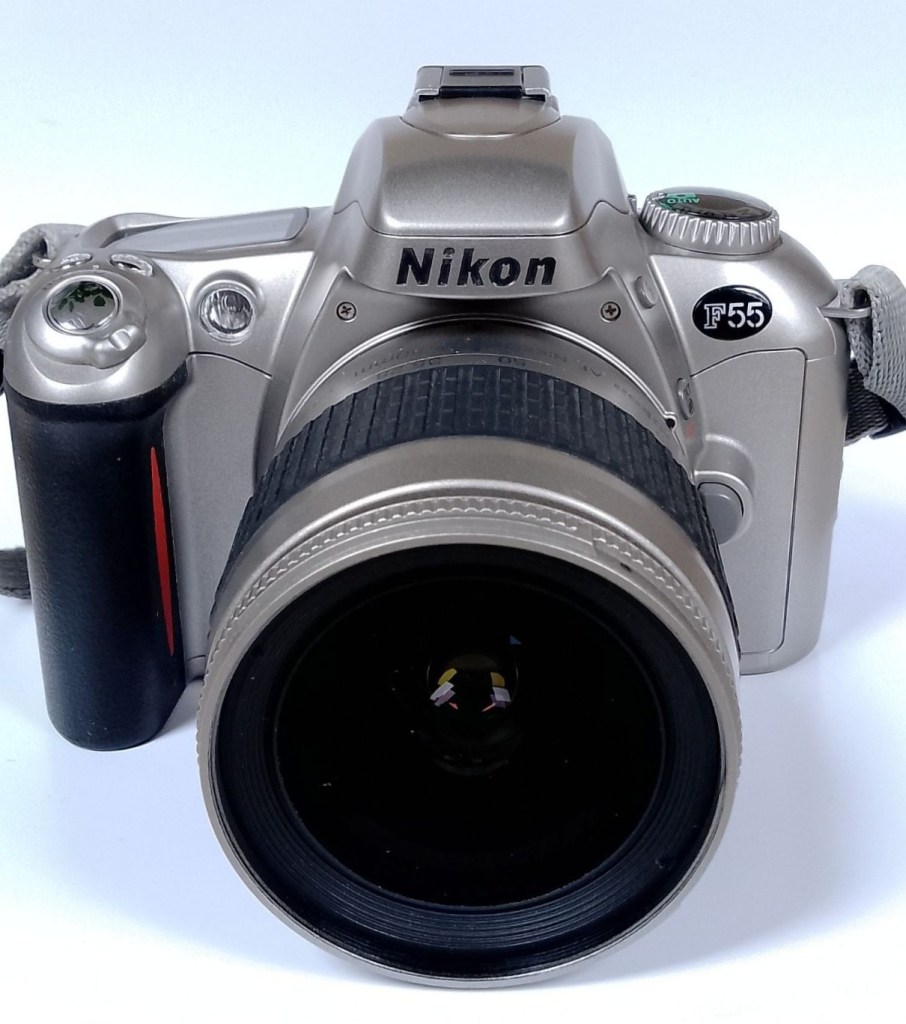
It’s been a while since I’ve done a camera post. With the recent demise of one of my Canon EOS 30’s I’ve had an eye open for a replacement and should one turn up at the right price, I’ll get another. In the meantime however I came across this Nikon F55 complete with 28-80mm lens for cheap. This post could be a re-run of my post “Why is film photograpgy so cheap?”, just with a different camera. I loaded a couple of batteries and a roll of film and set off for a wander…
The F55, also known as the N55 in the US, came to the market in 2002, towards the end of AF motorised cheap film cameras, by then digital was making in-roads and the market was already shifting. None the less, for the price, the spec is good, and as a stand alone performs well. Why do I say stand alone? Well, if you happen to have any other Nikon gear, it most likely won’t perform on this body. AF only works with the “G” series lenses and not with AF-S or AF-I. Although the bayonet is the same and your lovely F series lenses will fit, you can focus manually, but the camera won’t meter with them. If you have and VR lenses (Vibration Reduction) that won’t work either – it’s a solitary beast this camera! As I mentioned however the spec is good.
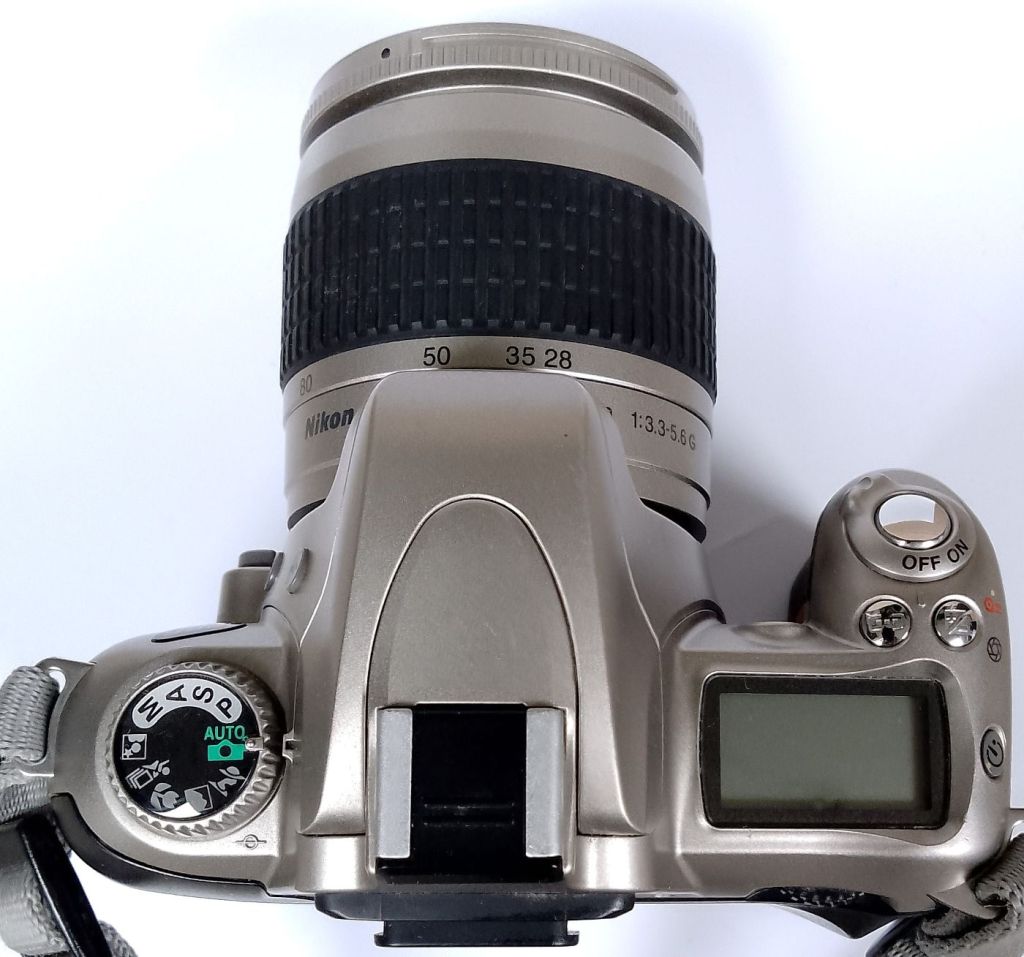
Anyone who has used an AF 35mm camera will be able to pick this up and use it – the layout is familiar. The control dial on the top offers, within a highlighted panel, Aperture Priority, Shutter Priority, Manual and programme. There is the familiar “Green Auto Mode”, and 5 “scene” modes – sports, landscape, close-up, portrait and night portrait. It is possible to set the aperture whilst in manual, but it is a fully DX camera and changing/setting the ISO is not possible. With any non-DX cassette, ISO is set to 100.
It is possible to “rewind” the film before the end, perhaps a handy feature. When I say rewind, perhaps I mean reverse pre-wind, as when one loads a film, the camera winds all the film out and as it’s exposed, back into the cassette, meaning that should beginner (or anyone else for that matter) open the back accidentally before the end, precious images already taken will be safely in the cassettte. This is a feature I’ve always thought a good idea, and wonder why all 35mm cameras don’t!!!?
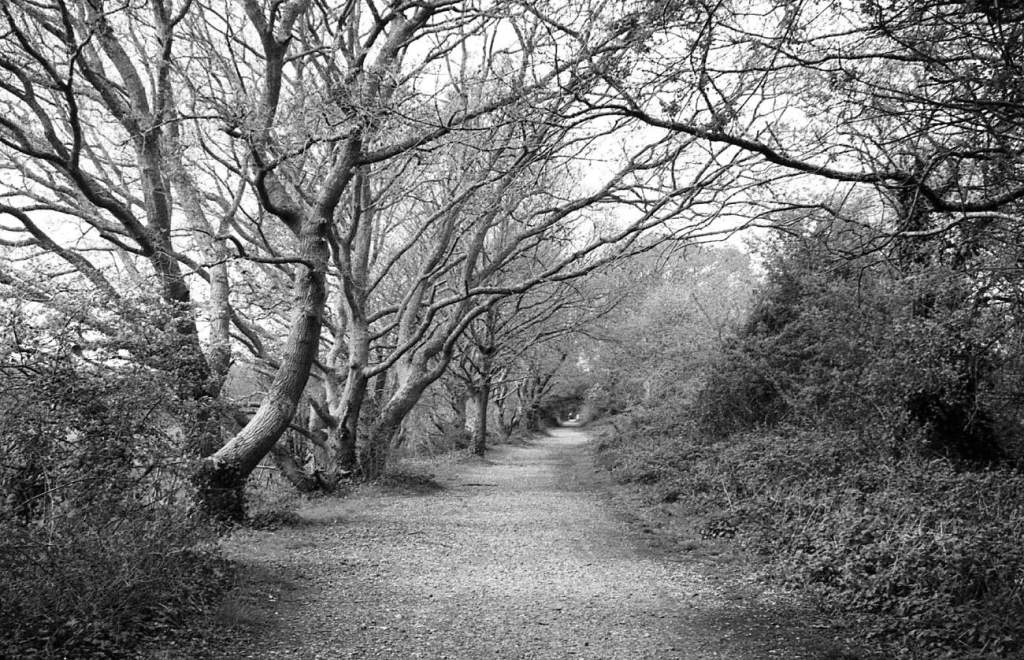
Shutter speeds offered are from 30 secs up to 1/2000th, there is a built in flash that offers TTL and a hot shoe for an additional flash, one that may allow bounce for example, but the hot shoe does not support TTL! Flash sync is 1/90th. Finally, most cameras like this that I have used require a couple of CR123a batts, this runs on 2 CR2’s – so I had to go out and buy some. Still a saving of carrying 15 grams – 2 starburst sweets (candy)!! 🙂
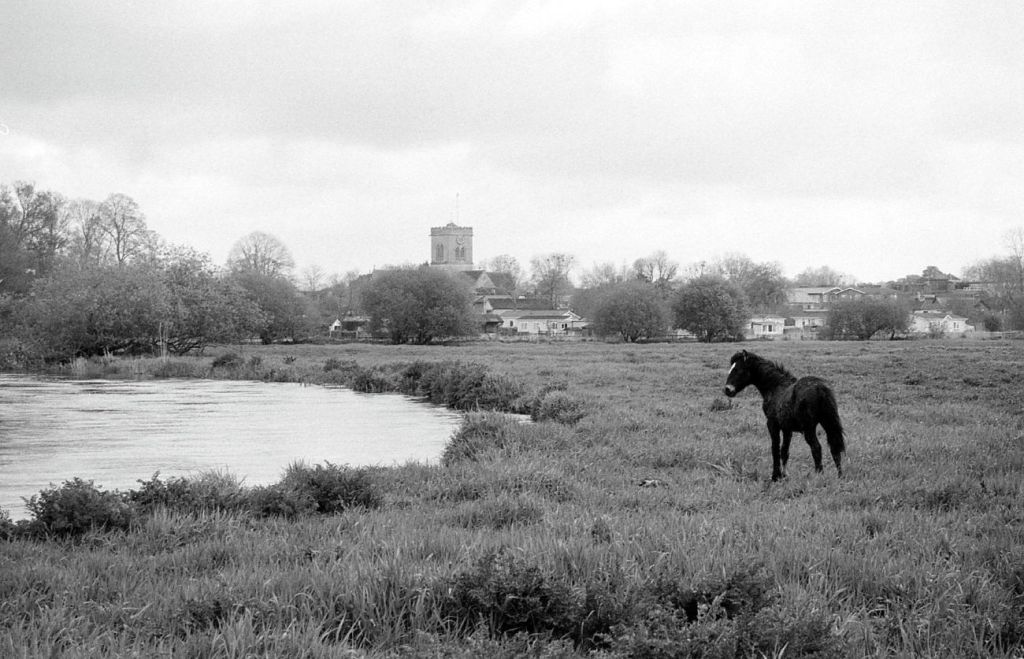
The camera I found easy to use, the main temptation for me was the fact the viewfinder has a built in dioptre adjustment. For my sight- shifting it to the maximum positive, just about does the job – the finder is much smaller than the Canon EOS 30 however. I used some bulk load Foma 200, luckily I had the forethought to load that bulk load roll into 200 DX cassettes.
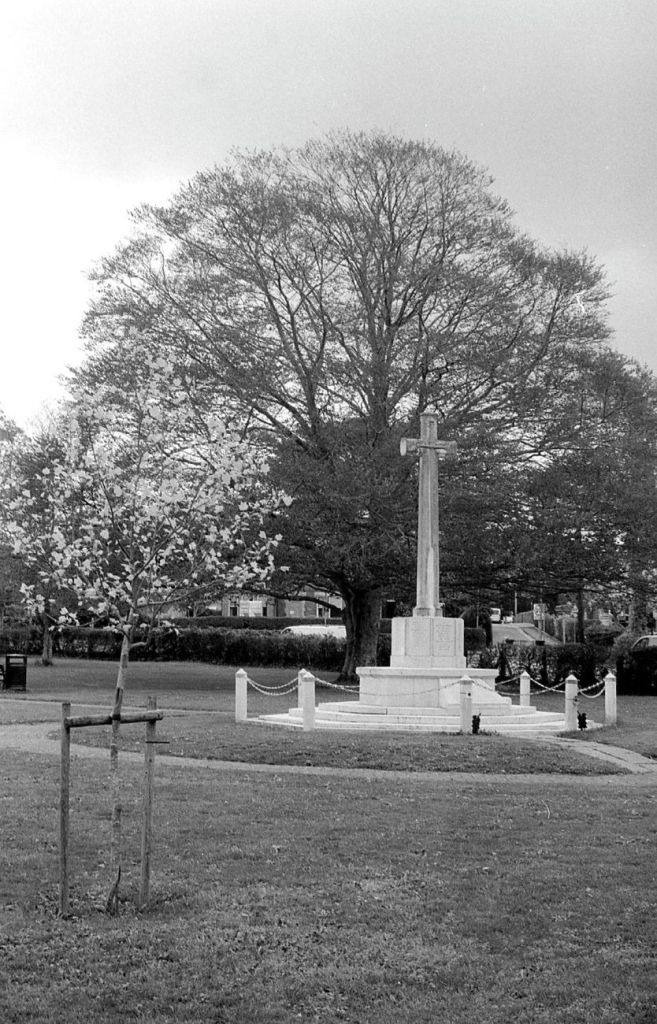
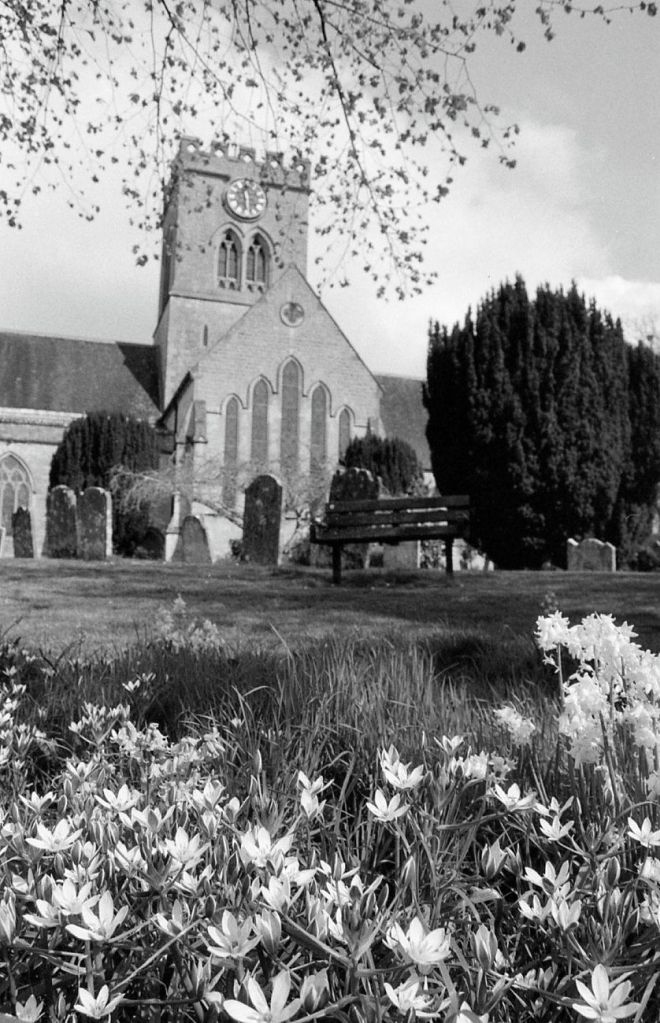
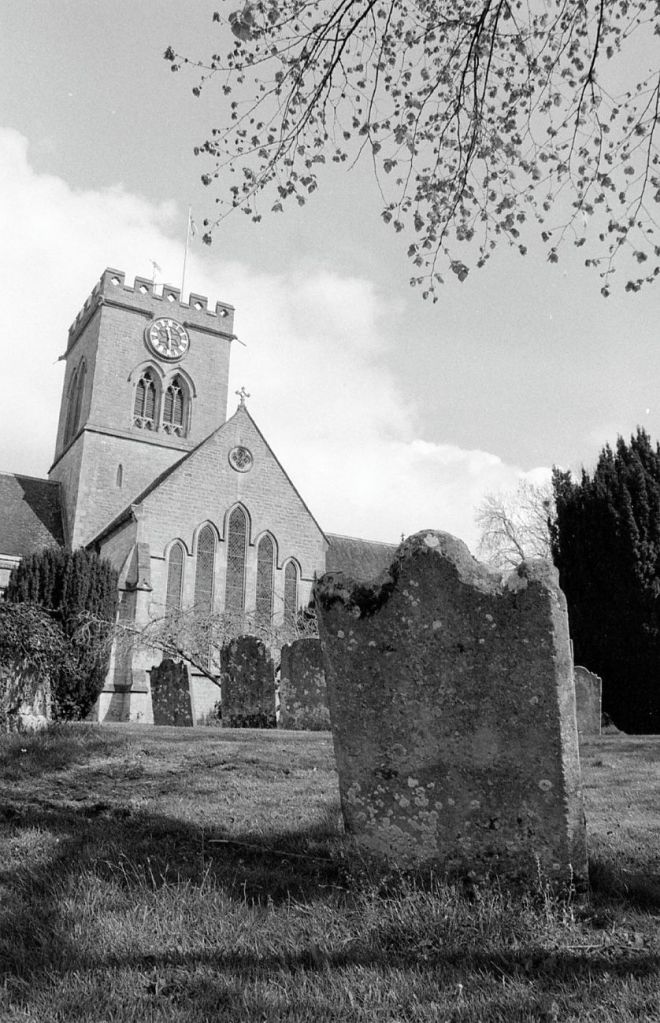
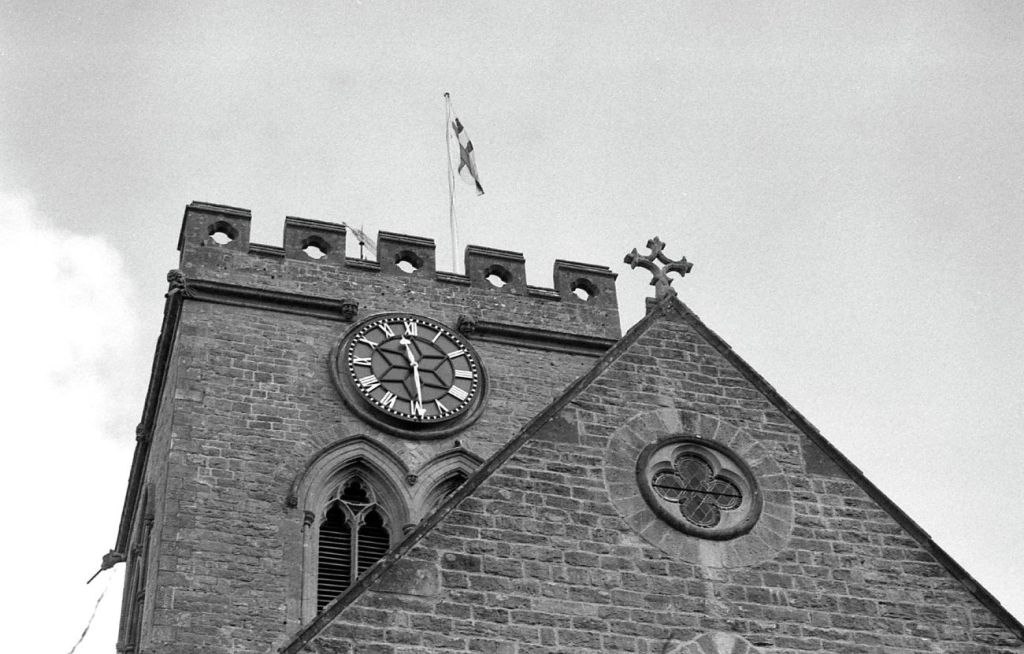
Verdict is that I think this camera would be a perfect introduction into film photography. Someone starting with film could grow into the more manual modes, will likely not have other gear to use so compatibility would not be downside. It’s light, the 28-100mm G lens I tried seems to perform well enough, although I do think it’s a bit soft at the top end. It’s not the fastest camera on earth (1.5 FPS in continuous shooting), but then how fast do you need to use a roll? Will I keep it? – no. It’s all anyone really needs, but I’ve got to the point on life where want to enjoy whatever camera I’m using as part of the process/fun.
Jim Grey over at “Down the road” recently tried a Nikon N60, that’s a goo read! Here.

