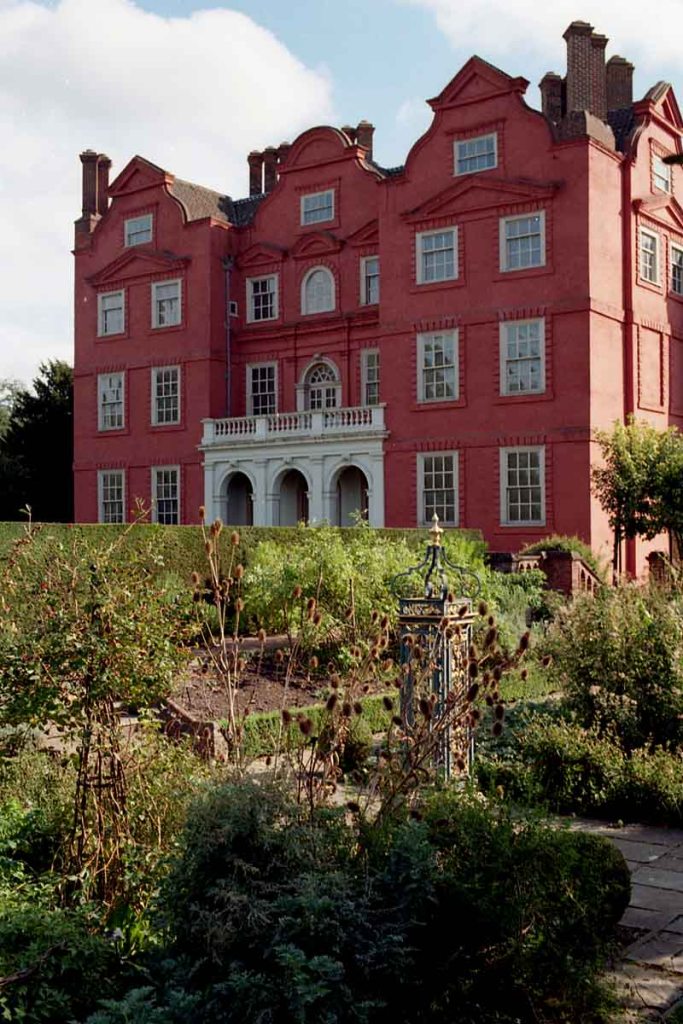
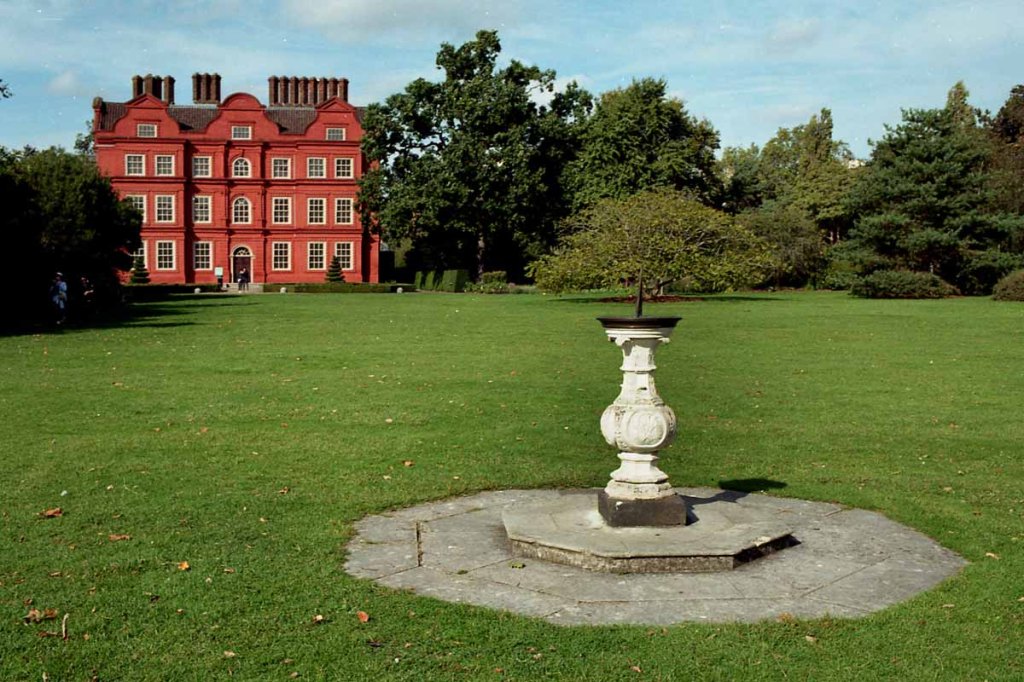
I was completely un-aware of Kew Palace, and it’s relevance until I visited. It was originally built for a wealthy silk merchant but came into royal hands during the rein of George II, who took out a lease on the house, and few others around. It was however the connection of George III for which it is most well known.
It was used as a “retreat” during his times of “madness”. He was thought for a long time in more recent history to have suffered from porphyria, although more recently, deeper investigation into papers not much studied, seem to point more towards what we would now call bi-polar. Among many other things, during times of recovery he was prescribed visits to the sea to “take the air and water”, he visited Weymouth my hometown many times to do just that. So it was that my hometown, had a royal lodge, became popular for bathing, still has a large statue to George III and an image of him on horseback carved into the hillside. Perhaps I should have known more about Kew Palace after all!
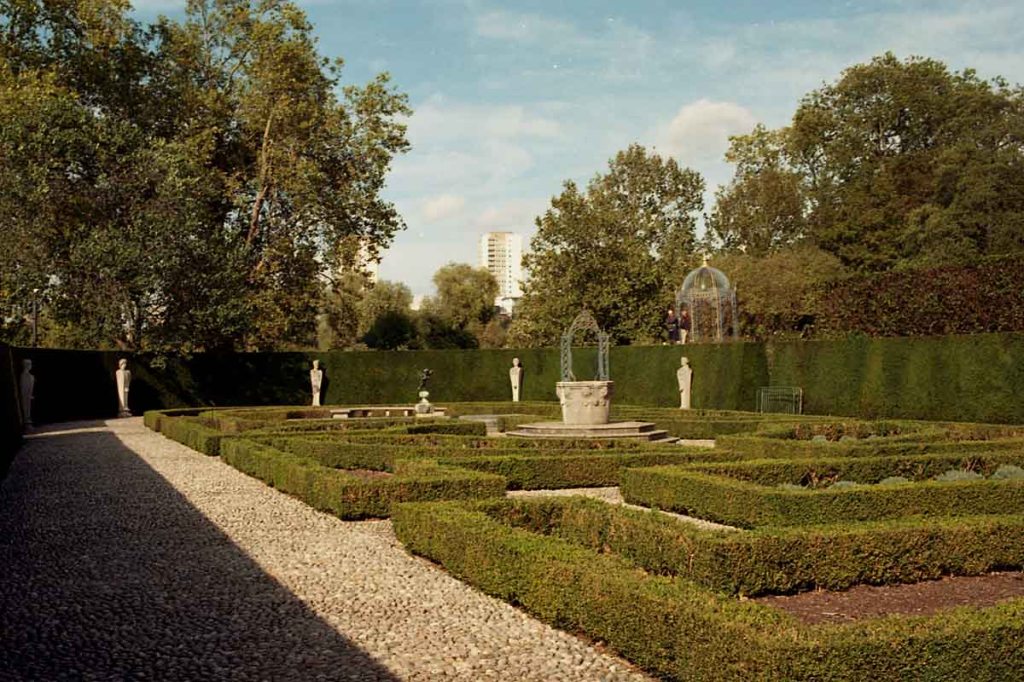
I had taken a couple of rolls of Kodak Gold 200 with me to London, and decided to use them during my visit to Kew. I think that was the correct decision. The Canon EOS30 worked fine as it always does. It’s perhaps my least expensive SLR, and maybe even the least thought of – rarely getting much recognition from fans of analogue. I think it’s a great camera and if I ever went bankrupt and had to sell off my cameras – the EOS30 would be the last to go!

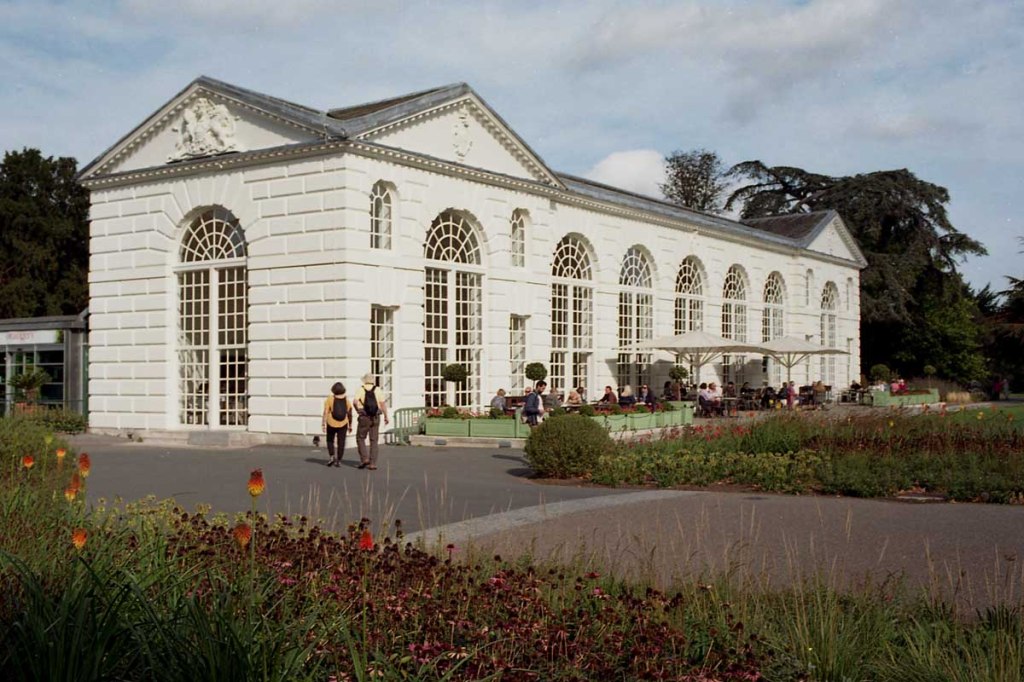
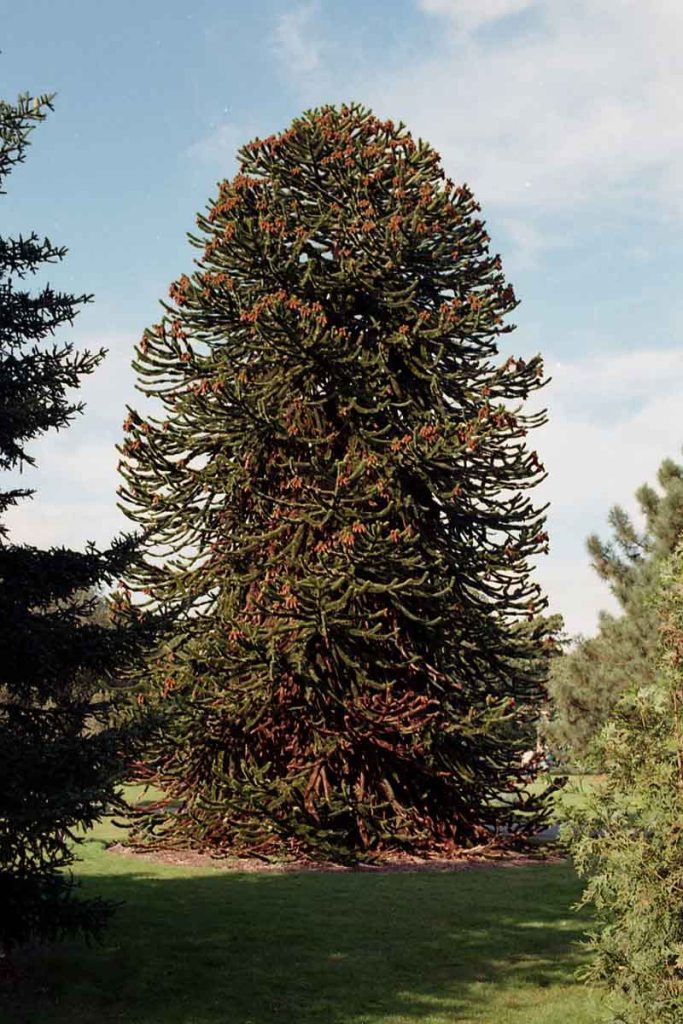
The Orangery above was built in 1761 by the architect Sir William Chambers, just a cross the way stand several trees including this wonderful Monkey Puzzle Tree below (Araucaria araucana). I was shocked to learn from the info that these trees are now considered “Endangered” by the ICUN (International Union for Conservation of Nature).


 S.H.O.U.T.